
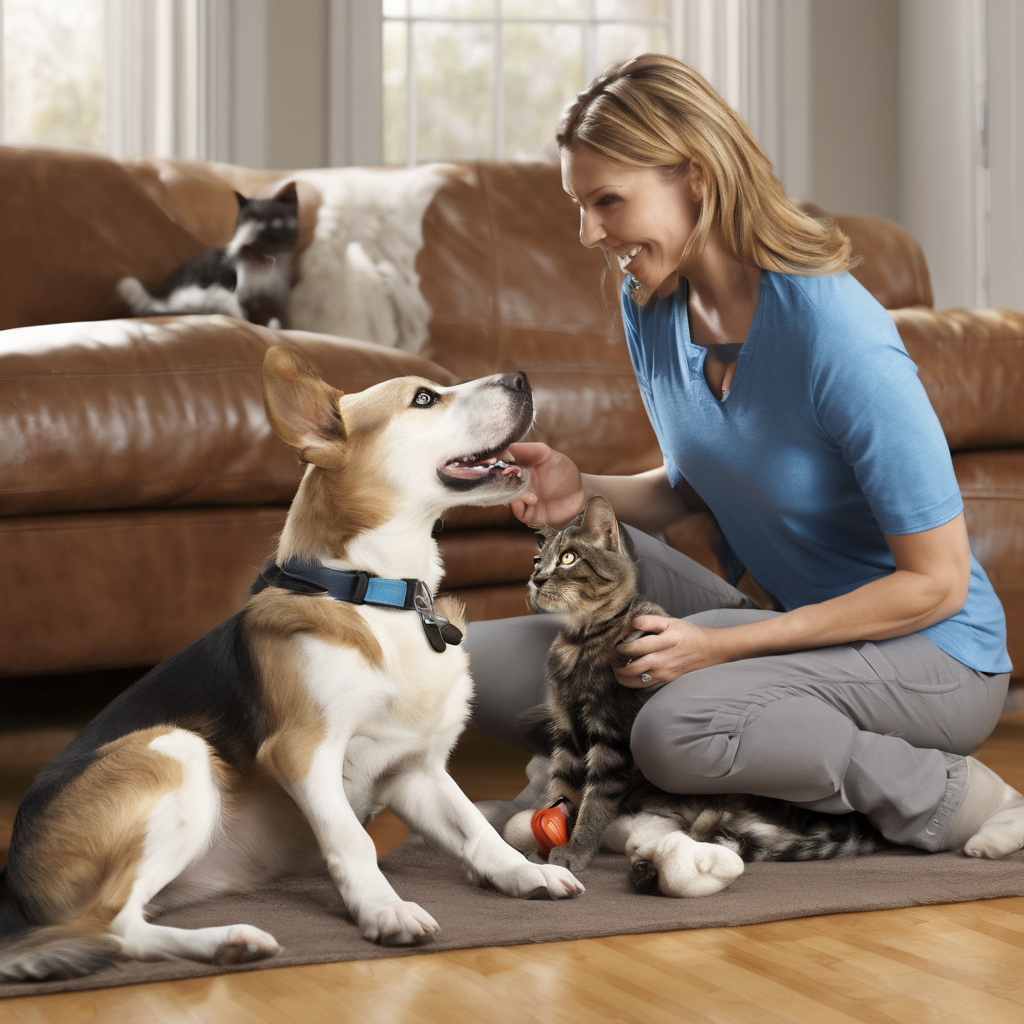
Dog Training and Behavior
Simple, practical guidance for dog training behavior.
If you’re working on dog training behavior, you’re in the right place. This hub helps you understand the basics, pick the right next step, and avoid the common mistakes that waste time.
Use the cards below to jump to the most useful guides.
What you’ll get here
- Clear next steps for dog training behavior
- Beginner-friendly explanations that avoid jargon
- Common mistakes to avoid and what to do instead
- A simple plan you can follow in order
How to start (simple plan)
Start with one clear goal for dog training behavior. Then follow a simple sequence: (1) decide what you need, (2) choose the safest/easiest option that fits, (3) test it on a small scale, and (4) improve from there.
⚡ Quick Picks
Three strong options to start with. Pick one that matches your goal, then jump to the guides below.

Dog Training & Behavior: a guide for everyone
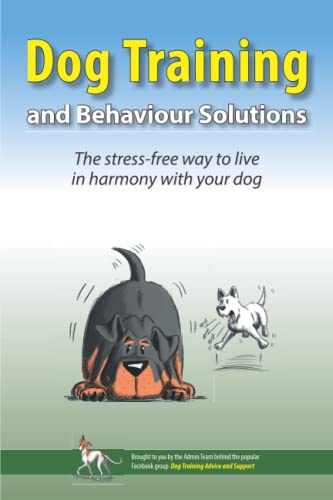
Dog Training and Behaviour Solutions: The stress-free way to live in harmony with your dog

Behavior Adjustment Training 2.0: New Practical Techniques for Fear, Frustration, and Aggression in Dogs
We hand-pick these based on real testing and reviews.
Latest Guides

Clicker Training vs. Verbal Cues
Did you know that nearly 60% of dogs in the U.S. are not trained to respond to basic commands? If […]

Why Do Dogs Roll in the Grass? Exploring Canine Instincts
As dog owners, we often find ourselves marveling at our furry friends’ quirky habits, and one of the most delightful […]

Best Dog Training Treats: Top Picks for Effective Canine Training
The best dog training treat combines taste, nutrition, and convenience. It should be healthy and irresistible to dogs. Pet Botanics […]

Dog Training Collar: 10 Best Choices for Effective Canine Behavior Mana…
The best dog training collars offer reliable remote control, waterproof features, and multiple training modes. They enhance communication and improve […]

Dog Collars Best: Top 10 Adjustable, Durable, and Reflective Options fo…
Discover the ultimate guide to the "Best Dog Collars," where we explore a curated selection of collars that combine functionality, style, and comfort for…

Best Shock Dog Collar: Top Picks for Effective Dog Training
In the post "Best Shock Dog Collar: Top Picks for Effective Dog Training," we explore a selection of the most effective shock dog collars…

Best Anti Dog Bark Device: Ultimate Solution to Stop Barking Instantly
The best anti-dog bark device is the Ultrasonic Bark Deterrent. It offers multiple modes and is safe for both humans […]
How We Choose & Recommend
Short, practical guidance first—then product picks when you are ready.
- We compare features and real-world use cases for Dog Training and Behavior.
- We scan user feedback for patterns (not one-off opinions).
- We call out trade-offs so you can pick confidently.
FAQ
What’s the best first step for dog training behavior if I’m new to it?
Begin with a simple setup that matches how you’ll actually use it. Do one short test run, verify the result, and only then add extra features or steps. This approach prevents early mistakes and makes it easier to see what’s working.
What mistake causes the most trouble with dog training behavior?
Skipping the small checks that prevent big problems—like fit, alignment, safety steps, or basic settings. A 60‑second check before you start is usually faster than fixing an avoidable issue halfway through. A quick win is to set up the basics first, then do a short trial run to confirm everything behaves as expected. If you see a problem, fix it early before you add complexity.
How do I choose the right option for dog training behavior?
Choose based on your use case and constraints: where you’ll use it, how often, how much control you need, and any limits like space or noise. If two options seem close, pick the one with the clearest, simplest workflow. If you’re not sure what to do next, compare your situation to a real example, then follow the closest match. This reduces mistakes and saves time.
How can I improve results with dog training behavior without making it complicated?
Lock in the fundamentals first, then refine one small detail that clearly affects the outcome (settings, technique, positioning, or timing). Small improvements compound quickly when the base process is stable. To get reliable results, use a simple checklist: required steps, safety checks, and what to do if the result looks wrong. That keeps you moving without guessing.
When should I stop and get help with dog training behavior?
Stop if there’s any safety risk, if the same failure repeats after basic checks, or if you’re unsure about the correct procedure. It’s better to verify the right method than to push forward and create a bigger problem. A good habit is to finish with a quick reset/cleanup so the next session starts smoothly. That prevents repeat issues and keeps performance consistent over time.
🐾 Our Top 3 Best Dog and Cat Products
Dog Training & Behavior: a guide for everyone
Dog Training and Behaviour Solutions: The stress-free way to live in harmony with your dog
Behavior Adjustment Training 2.0: New Practical Techniques for Fear, Frustration, and Aggression in Dogs
We hand-pick these based on real testing and reviews.